

Transforming KLIA operations: Building the Future of Integrated Airport Management

Client

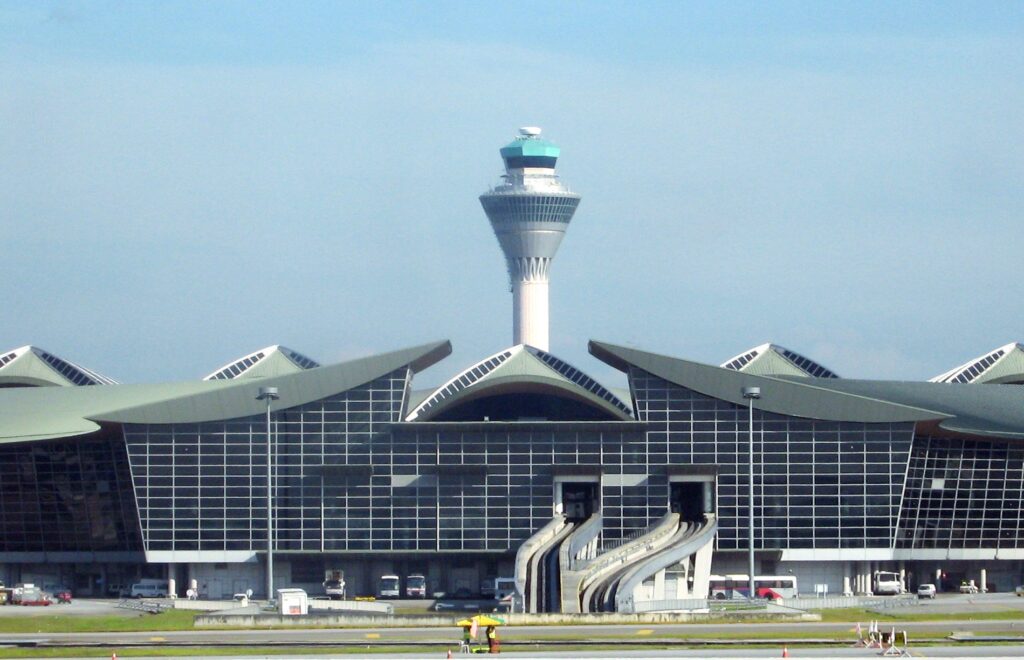
Kuala Lumpur International Airport, Malaysia Airports (Kuala Lumpur, Malaysia)

Objective

After having put in place an advanced model of airport management through the implementation of the AOCC (Airport Operations Control Center) upon opening KLIA airport in 1998, Malaysia Airports was targeting to evolve how they run their airport operations at KLIA (Terminal 1 & 2) and build a system that could adapt to future needs— called Integrated Airport Management (IAM). The project aimed to develop a comprehensive IAM vision that would improve operational efficiency, foster collaboration across stakeholders, and enable proactive, data-driven decision-making. This included designing the Concept of Operations for the future Integrated Airport Management Center (IAMC) and defining the organizational structure, governance, processes, and cultural foundations needed to support this transformation. The goal was to move beyond reactive operations towards a holistic approach ensuring seamless passenger experience and operational resilience.

Project outcome

Airport Intelligence guided KLIA through a structured, step-by-step approach to ensure the realisation of its IAMC vision. The project delivered to the Malaysia Airports the following:
  • Comprehensive operational assessment – We reviewed documentation, engaged internal and external stakeholders, observed operations, and analyzed performance to understand KLIA’s current state and identify improvement opportunities.
  • IAM vision and framework – We developed a holistic vision covering organizational design, governance, processes, tools, infrastructure, and the cultural mindset required for the future vision on airport operations management.
  • Concept of Operations (ConOps) – We translated the vision into a detailed ConOps document with functional requirements for the future Integrated Airport Management Center (IAMC).
  • Implementation roadmap – We created a phased plan with quick wins, mid-term priorities, and long-term initiatives, including success metrics and risk mitigation measures.
  • Immediate operational improvements – We enhanced briefings, disruption management procedures, and performance dashboards to strengthen current operations while building towards the IAM future.
  • Foundation for the future – KLIA now has the structure, documentation, and strategic direction to drive data-informed, collaborative decision-making across the airport ecosystem.